
What you need to know: Helmet safety
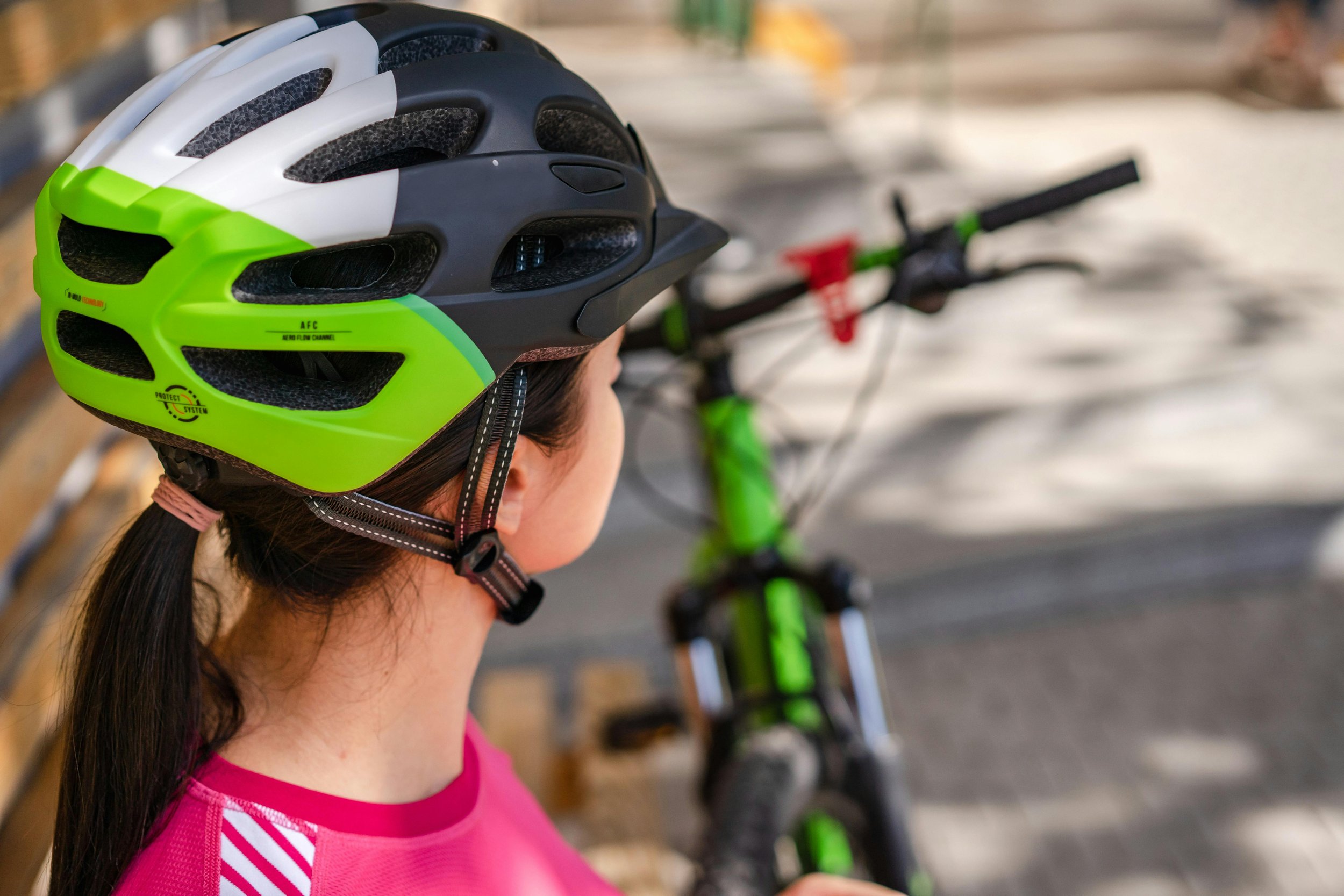
Spring is here and warm weather has finally arrived, making it easier to be physically active outdoors. Whether participating in cycling, inline skating, scooter riding or skateboarding, head injuries can happen. The effects of a head injury can last a lifetime, changing the way a person walks, talks, plays, and thinks.
Helmets are an important piece of safety equipment for people of all ages and all abilities! They can reduce the risk of serious brain and head injuries by absorbing force from a fall or a hit to the head. Did you know that in Ontario, it is mandatory for anyone under the age of 18 to wear a certified helmet while riding a bicycle?
For helmets to protect you, they must fit properly and securely. It’s also important to choose the right helmet for the right activity. Each helmet is designed and tested to protect your head from the impact common to an activity or sport. Some helmets are made to protect against one hard fall (single impact) and others are made to protect against many impacts (multi-impact).
For recommendations on which type of helmet to wear for a specific sport or activity, the associated standards and more, visit Parachute Canada↗. It is also important to refer to the manufacturer’s owner’s manual for guidance about the intended use, fitting, care, and maintenance of a helmet.
Buying a helmet
Here is what to look for when buying a new helmet:
Buy the recommended helmet for the activity or sport.
Look for the certification sticker found on the inside or outside of the helmet.
Try the helmet on before you buy it. Helmets should fit snug and comfortable. Shake your head from side to side and from front to back; the helmet should not move around.
When buying a helmet for a child, buy one that fits now, and not one they will grow into.
Never buy a used helmet. You may not know if the helmet has been in a crash, or how old the helmet is.
Take your child to the store so they can try on different ones.
Check your child’s helmet at the beginning of every season to make sure it still fits properly.
How to wear a bicycle helmet
Put the helmet on so that it is not tilting backward or forward. Then check the following:
Two fingers distance from helmet to eyebrow
V-shape straps around each ear
One finger between chin and fastened strap
Shake your head up and down and side to side. Your helmet should stay in place and feel comfortably snug.
Here are some general tips for wearing a helmet:
Do not wear a hat under a helmet. It will change the way the helmet fits. A hijab under a bicycle helmet is okay. Check the fit and readjust the helmet if needed.
Baseball hats, toques, big hair clips and headphones should not be worn under a helmet.
Ponytails should be low on the neck.
There are now certified helmets↗ available for some sports (such as for riding a bike or a kick scooter) for children who wear their hair knotted on top of their head (such as when wrapped in a patka).
Do not put stickers on a helmet. They may make the plastic of the helmet weak and may void the CSA (Canadian Standards Association) certification and/or the manufacturers' warranty. They can also hide cracks and other potential damage.
When to replace a helmet
The plastics of a helmet dry out and may become brittle over time. Many helmets can also only take one impact before they must be replaced. You can learn more about single versus multiple impact helmets, by visiting Parachute Canada↗. Read the manufacturer’s instructions carefully and replace a helmet:
After a crash or large impact
When it does not fit anymore
If the helmet has a crack or is dented
When the straps are frayed, torn, or do not work
Every five years
For more information on helmet safety and concussions, please visit: Ottawa Public Health – Helmet Safety↗.