

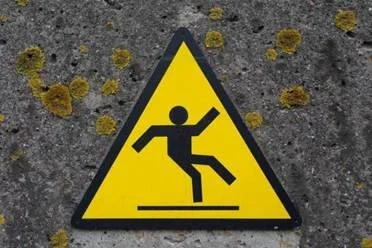
November is Fall Prevention Month
Let’s make fall prevention a priority this November. We all have a role to play in preventing falls and keeping ourselves and loved ones safe. Falls can affect people of all ages - from young children to older adults - but the good news is that many falls can be prevented. With a bit of awareness and a few simple precautions, we can all take steps toward a safer, healthier community.
Falls in Children
Did you know that falls are the leading cause of hospitalizations from injury in children 0 to 14 years old? It is exciting to watch your child learn to walk, run, jump and play. These skills are important for their physical and mental health. As children develop these new skills, they often fall. According to Parachute Canada↗, young children, 0 to 4 years, are most likely to fall in the home. Older children, 5 to 9 years, are most likely to fall at playgrounds.
Here are some things that you can do to help reduce the risk of falls:
Always watch and stay close with a hand on your baby when they are on a raised surface such as a change table, bed or sofa.
Place all furniture and crib away from windows and balcony door handles.
Place car seats and bouncy chairs on the floor, not on tables, counters or furniture.
Use a safety gate that screws into the wall at the top of the stairs. A pressure-mounted gate can be used at the bottom of the stairs.
Use window guards to prevent window opening more than 10cm (4in). Window screens do not prevent children from falling out.
Keep stairs well lit and free of clutter and tripping hazards.
Fasten furniture to the wall to prevent tipping (dressers, bookshelves, TV).
Falls in Older Adults
As we get older, our bodies change in ways that can increase our risk of falling. Falls are the leading cause of injury among older adults and can have a lasting effect on quality of life, increase caregiver demands, and can lead to long-term care. Taking action to prevent falls is one of the most important things you can do to stay independent as you get older.
Ever wonder about your fall risk? Completing the Staying Independent Checklist↗ can help identify your risk of falling. It’s important that these results are discussed with a health care provider and that they are informed of previous slips, trips or falls.
The home safety checklist in You can prevent falls↗ will help you identify and remove hazards. Here are some things to make sure are done throughout the place where you live:
Pathways are clear of extension cords and other objects
Rugs have no ripples or tears
Scatter mats are removed or taped to the floor
All light fixtures have a minimum of 60-watt bulbs
Items used every day are stored within easy reach
Store heavy items in lower cupboards or shelves
Clean up spills when they happen
Get up slowly after lying or sitting to prevent dizziness
Make sure stairs are well lit and have a non-slip surface
Ottawa Public Health’s free “Prevention of Falls in Older Adults↗” online module is for anyone concerned about older adults who would like to learn more about falls and how to prevent them. It takes about 20 minutes, and you can go at your own pace.
To obtain more information on preventing falls, please visit the links below: