
Building an emergency ready and resilient Ottawa
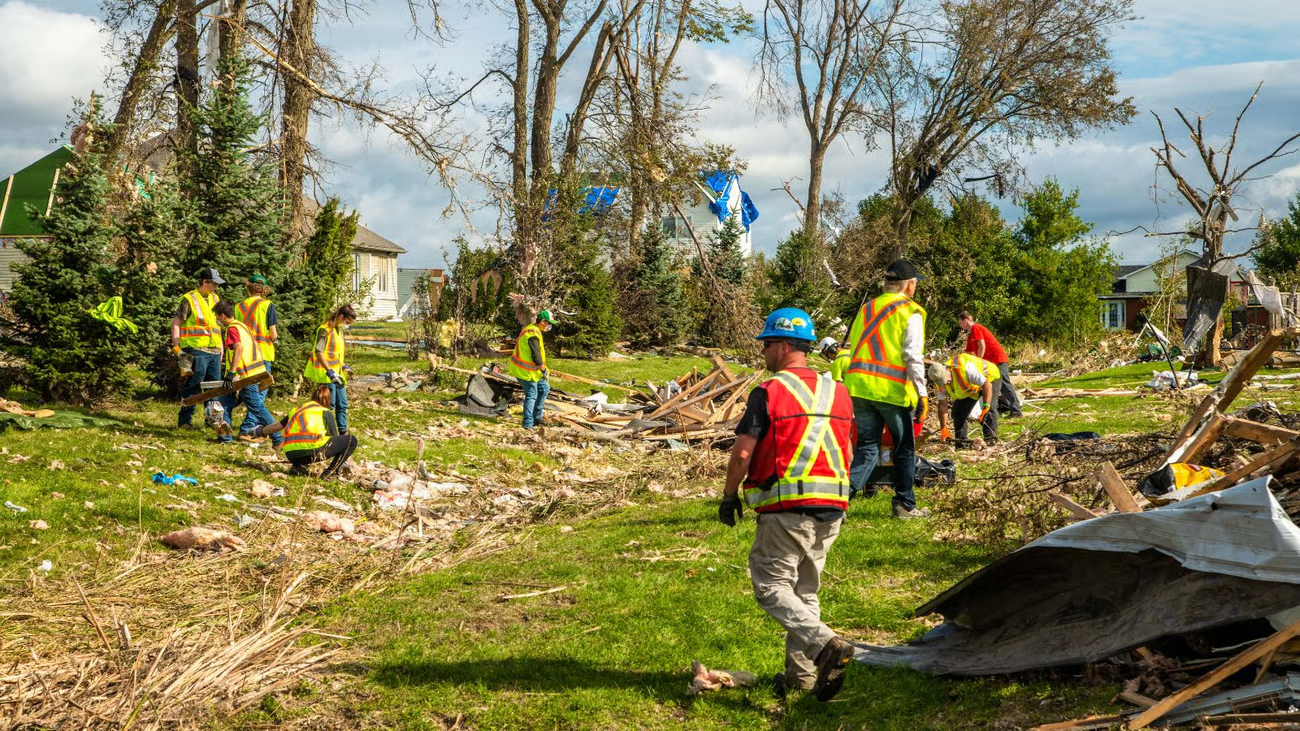
Emergencies can happen at any time. In Ottawa, we’ve experienced both riverine and flash flooding, blizzards unleashing 100 centimetres of snow, prolonged power outages, and severe spring and summer storms – even a derecho.
Each year and each emergency is different. How we prepare for them and work together to help keep our community safe and resilient follow the same steps.
What is community resilience?
By working together to reduce potential hazards and prepare for the various emergencies experienced in Ottawa, we are building community resiliency.
A resilient community leans on each other for assistance and creates support networks so that no one is left to handle a challenging situation on their own. The more connected the community, the more resilient they are when weathering the emergency and recovering afterwards.
Learn more about how we’re building stronger, safer, and more resilient communities in our Emergency Management Program Strategic Plan↗.
How we can build a resilient community
Step 1: Prepare your household
Before you and your household can effectively help others, you must first ensure your own safety.
Be prepared:
Know your local hazards: Identify and understand potential risks to help you prepare more effectively.
Make an emergency plan: Ensure everyone knows what to do, who to call, and where to go during an emergency.
Build an emergency kit: Assemble the essential items that you need to manage your household for three days so you can shelter in place, if necessary.
The Are You Ready? workbook↗ will guide you through each of these actions in more depth. Complete the workbook with your household and print a copy to keep in your emergency kit for reference.
Step 2: Discuss your plans with neighbours
Once your household is prepared, share your plan with your neighbours – and ask about theirs. There may be ways that you can look out for each other and be better prepared for an emergency by sharing information, resources or your skills.
If someone doesn’t have a plan, talk with them about making one. Helping others make an emergency plan↗ is part of how we build resiliency as a community.
Creating an online group for your neighbourhood is a great way to get to know your neighbours and their emergency needs. An online group can also help you stay connected and coordinate support during an emergency situation.
Step 3: Prepare together
Keep the conversation going by working together to reduce risks in your neighbourhood and prepare for future emergencies.
You can host a meeting to discuss past local emergencies and identify the potential risks in your neighbourhood. For example, knowing where catch basins are located and keeping them clear of debris can help prevent basement flooding↗ on your street.
At those meetings, also plan for future emergencies as a community↗. Just like your household, your neighbourhood will be better prepared for unexpected situations if everyone works together to have an emergency plan, contact list and essential supplies ready.
To help you plan and prepare together, contact the City’s Office of Emergency Management to schedule an Are You Ready? education session↗ for your neighbourhood.
More information
Learn more about emergency preparedness: